
Hearing Scratching or Finding Droppings? Tell Us What You’re Seeing and We’ll Help Determine the Best Next Step.
Rodent Control in Snohomish County
Rat & Mouse Trapping, Removal & Prevention
Pest Near provides rodent control in Snohomish County for homes and businesses dealing with rats and mice. Hearing scratching in the attic or crawl space? Finding droppings in the garage? Seeing rats around the outside of your home? We can help.
Before we set a single trap, we look at where the activity is happening, what’s around the property, and how rodents may be getting inside. Then we recommend the mix of trapping, monitoring, prevention, and exclusion that fits your home.
- Price Ranges Available by Phone
- $50 Off Recurring Protection Plans
- Trapping, Monitoring & Prevention Options
UNDERSTANDING RODENT ACTIVITY IN SNOHOMISH COUNTY
Rodent problems in Snohomish County aren’t limited to one type of home or one time of year. We regularly find rats and mice using crawl spaces, attics, garages, wall voids, and other protected areas for shelter. Activity can become more noticeable during cooler or wetter weather, but rodents can be a problem year-round.
When we’re evaluating a rodent problem, we’re looking at more than whether a rat or mouse is present. We look for where the activity is occurring, how rodents may be entering the structure, where they’re traveling or nesting, and what conditions around the property may be supporting the problem.
Rodent control isn’t always solved by setting a few traps and walking away. The goal is to understand why the activity is happening, reduce the current population, and determine what can be done to make the property less accessible to rodents going forward.
Where We Find Rodent Activity in Snohomish County
Rats and mice don’t always stay in one area of a home. In the properties we service, we commonly find signs of rodent activity in crawl spaces, attics, garages, wall voids, storage areas, and around the exterior of the structure.
Where we find activity can tell us a lot about what’s happening. Droppings, nesting material, rub marks, damaged vents, burrows, and trap activity can help us determine where rodents are traveling and where to focus our control efforts.
Homes near wooded areas and greenbelts can experience ongoing rodent pressure, but we also find activity in established neighborhoods and more developed areas throughout Snohomish County. Every property is different, which is why we look at the conditions around the home rather than assuming every rodent problem has the same cause.
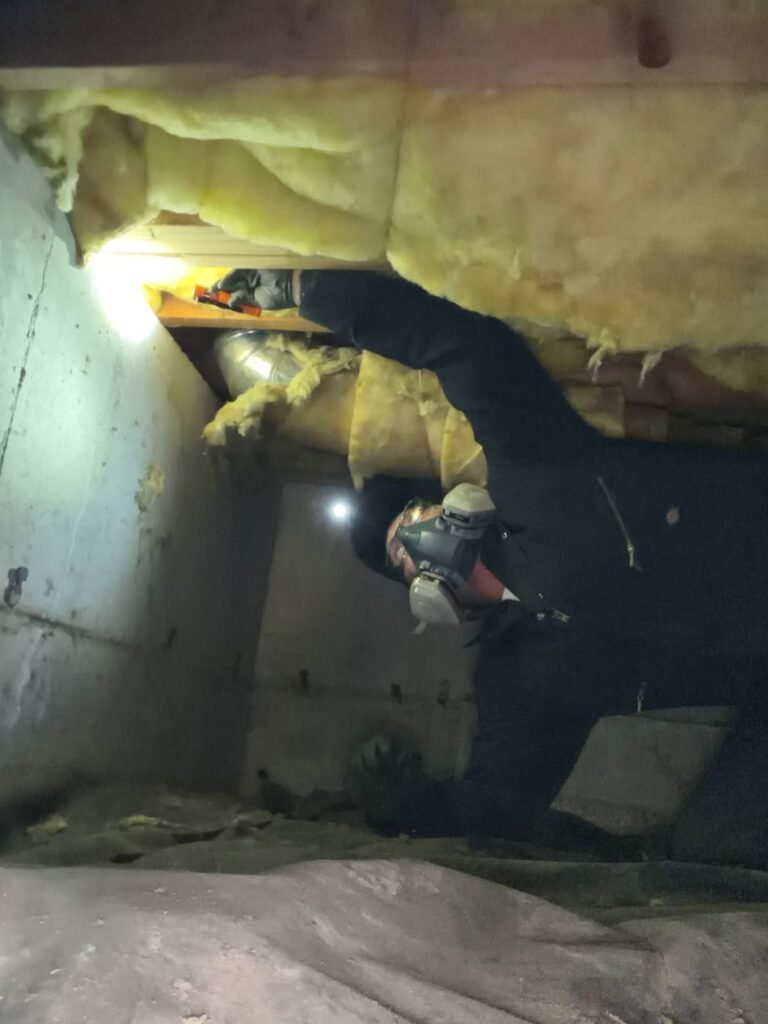
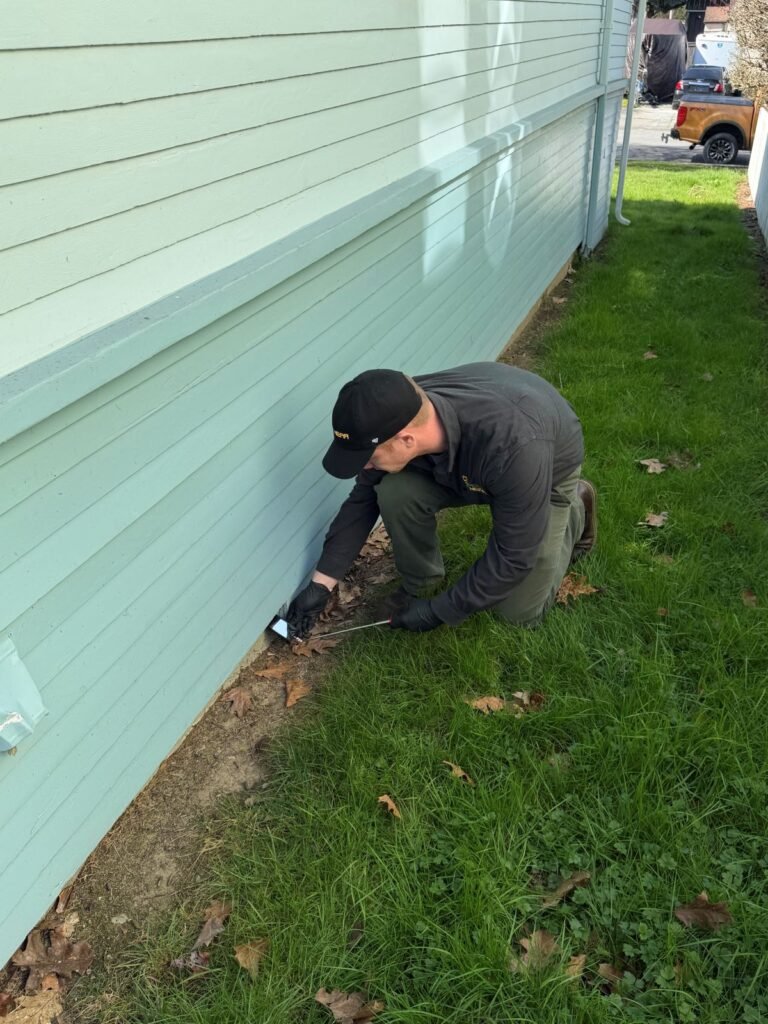
What Is Included in Our Rodent Control Services
Every rodent problem is different. The amount of activity, where rodents are getting in, and where they’re nesting all affect how we approach the property. Our rodent control services are built around identifying the activity, reducing the current population, and helping prevent the problem from continuing.
Depending on what we find, your service may include:
- Rodent inspection and assessment — We look for droppings, nesting areas, travel routes, damage, and other signs that help us determine where activity is concentrated.
- Trapping and population control — Traps and other control methods are placed based on the type and location of rodent activity.
- Exterior rodent monitoring — Tamper-resistant rodent stations may be installed around the exterior when appropriate and serviced according to the selected service plan.
- Rodenticide-free options — For homes with pets, children, or concerns about bait use, we can build a control plan around trapping instead of rodenticide.
- Ongoing monitoring — Follow-up visits allow us to check activity, service devices, and adjust placement or control methods when needed.
- Entry-point identification — During trapping and follow-up visits, we may identify openings rodents are using or areas that should be investigated further for exclusion.
- Recommendations and documentation — We’ll explain what we’re finding and recommend practical next steps for reducing conditions that may contribute to future activity.
Rodent Exclusion & Prevention
Removing the rodents that are already inside is only part of the process. If rodents still have a way into the structure, the problem can return.
When we identify potential entry points, we’ll explain what we found and recommend appropriate exclusion or repair work. Common problem areas can include damaged crawl-space vents, gaps around utility penetrations, openings along the foundation, garage-door gaps, and other accessible areas around the structure.
When appropriate, Pest Near can provide a separate quote for rodent exclusion and repair work.
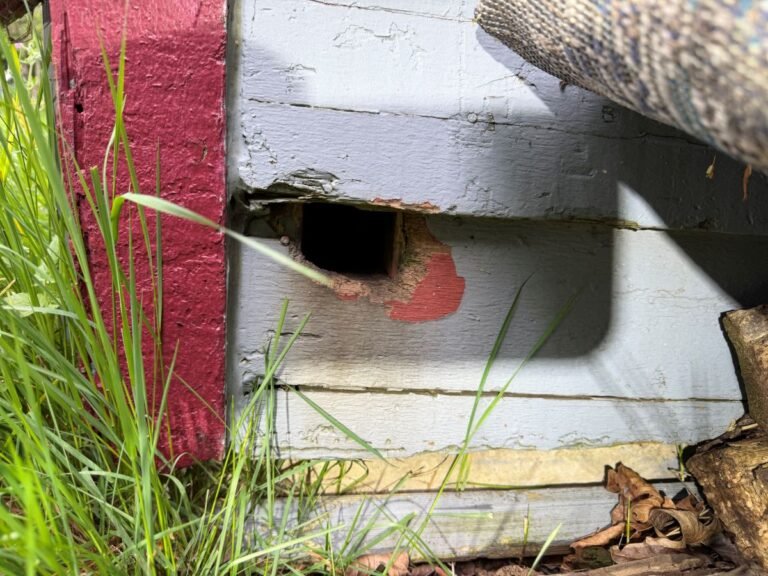
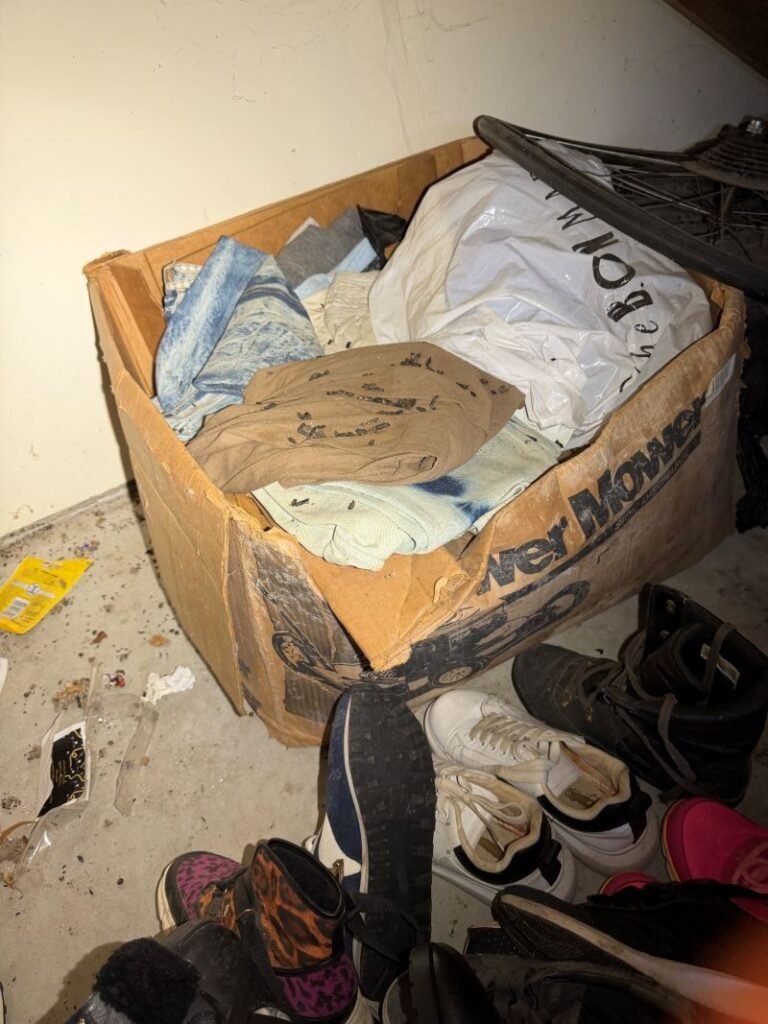
Rodent Cleanup & Sanitation
Rodents can leave behind droppings, urine, nesting material, and contaminated insulation long after the activity is gone. Once the active population is under control, sanitation is often the final step.
For small cleanups in finished areas like garages and storage rooms, we offer sanitation as an add-on to your rodent service. For larger jobs like attic insulation or crawl space cleanup, we work closely with trusted cleaning companies throughout Snohomish County and can connect you with the right team.
For more on the health side of unmanaged rodent activity, the CDC has guidance on preventing rodent infestations.
Rodent Inspection & Recommendations
Discuss Your Concerns
Tell us what you’ve been seeing or hearing, where the activity has occurred, and any concerns you have about the property.
Inspect for Rodent Activity
We’ll inspect accessible areas for signs of rats or mice and evaluate the level and location of activity.
Receive Clear Recommendations
We’ll explain what we found, recommend appropriate next steps, and provide pricing for any services we recommend.
Free Rodent inspections are intended to evaluate pest activity and help determine appropriate treatment options. They are not comprehensive structural or exclusion inspections. If exclusion or repair work is needed, we’ll explain our findings and can provide recommendations or a separate quote when appropriate.
Rodent Control Service Options
Rodent Trapping Programs
For most active rodent problems, we start with our 3-visit trapping program. On the first visit, we inspect and set traps based on where we’re finding activity. We come back for two follow-up visits, spaced 5–14 days apart, to check traps, remove rodents, and adjust placement based on what we’re seeing. Once the program is done, you can stop there. No long-term contract required. For properties that need a different approach, we also offer custom trapping options.
Ongoing Rodent Monitoring & Prevention
Properties with recurring rodent pressure may benefit from ongoing service. Depending on the property, this can include exterior rodent stations, monitoring, servicing existing control devices, and continued evaluation for new activity.
Rodents are constantly present in the surrounding environment, ongoing service is often the most effective way to prevent recurring activity in high-pressure areas.
Rodent Control Throughout Snohomish County
Pest Near provides rodent control for homes and businesses throughout Snohomish County and nearby communities, including:
From older homes with crawl spaces to newer developments near wooded areas and greenbelts, rodent control in Snohomish County looks different from one property to the next. Our recommendations are based on the activity and conditions we find at yours. If you’re in Everett, learn more about our Rodent Control in Everett.
Common Rodents in Snohomish County
Rats and mice are common throughout Snohomish County, but the type of rodent and where we find activity can vary considerably from property to property. Correctly identifying what we’re dealing with helps us determine where to inspect, how to control the activity, and what may be contributing to the problem.
Norway Rats
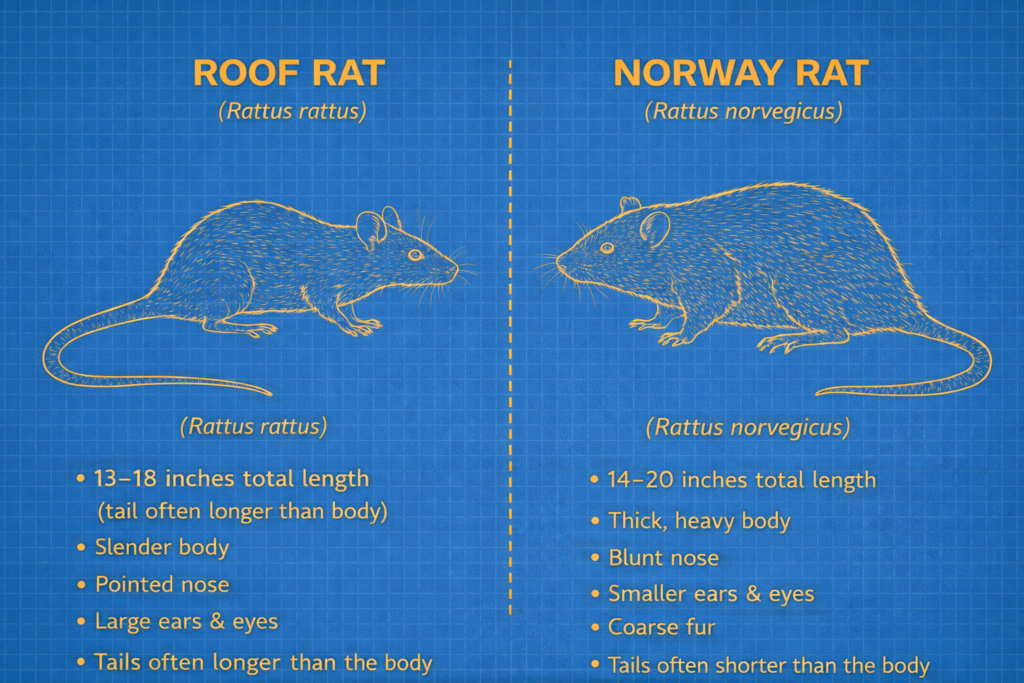
Norway rats are larger, ground-oriented rats commonly associated with crawl spaces, garages, foundations, sheds, and other lower areas of a property. They may burrow around structures and often take advantage of food, water, and sheltered areas around homes and businesses.
Roof Rats
Roof rats are strong climbers and are often found in attics, rooflines, wall voids, and other elevated areas. Tree branches, utility lines, fences, and structural openings can provide routes for them to reach a home.
House Mice
House mice can enter through very small openings and may establish themselves in garages, kitchens, storage areas, wall voids, and other protected spaces. Because of their size and ability to live close to people, mouse activity isn’t always obvious until droppings, nesting material, or other signs are discovered.
Deer Mice
Deer mice are more commonly associated with wooded, rural, and less-developed areas, but they can enter garages, sheds, outbuildings, and homes looking for shelter. Properties near wooded areas and greenbelts may be more likely to encounter them.

Rodent Prevention Tips for Snohomish County Homes
Preventing rodent activity starts with reducing the food, shelter, and access points that attract rats and mice to a property. A few practical changes around your home can make it less inviting to rodents.
Reduce Food Sources
- Keep pet food, bird seed, and other stored food in sealed containers.
- Use garbage cans with secure lids.
- Clean up fallen fruit, spilled bird seed, and other accessible food around the property.
Reduce Shelter Around the Home
- Remove unnecessary clutter around foundations, garages, and outbuildings.
- Keep vegetation trimmed away from the structure when practical.
- Store firewood and lumber off the ground and away from the home.
Address Potential Entry Points
- Check foundations, vents, utility penetrations, doors, and rooflines for openings.
- Repair damaged vent screens and weather stripping.
- Trim branches that provide rodents easy access to the roof.
- Have suspected entry points evaluated before sealing when active rodents may already be inside.
Already seeing droppings, hearing scratching, or finding signs of rodent activity? Prevention alone may not resolve an established infestation. Pest Near can evaluate the activity and recommend appropriate trapping, monitoring, exclusion, or other control measures.
Frequently Asked Questions
Not necessarily. Occasional outdoor sightings are common in Snohomish County, especially near wooded areas or greenbelts. But if you're seeing repeated activity close to the foundation, that's usually worth having someone take a look before it moves inside.
Rodents are always present in the surrounding environment, so even after a population is knocked down, new ones can move in if the property still has food, shelter, or an easy way inside. That's why we lean on ongoing monitoring rather than a one-time treatment for properties with recurring pressure.
You don't need a long-term contract. For most active rodent problems, our standard rodent control program in Snohomish County is a 3-visit trapping program: an initial setup, then two follow-up visits spaced 5–14 days apart to check traps, remove rodents, and adjust placement based on activity. Once the program is complete, you can stop there. We also offer custom trapping options for properties that need a different approach, and recurring protection plans with exterior monitoring for homes with ongoing rodent pressure.
Rodent control and exclusion are handled as two separate services. We typically start by trapping and controlling the active rodent population. During that process, we'll identify potential entry points and either provide a separate quote for exclusion work or refer you to a contractor who specializes in that kind of repair. That way, we address the current rodent problem first, then help keep rodents from getting back inside. This allows us to address the current rodent problem first, then help prevent rodents from getting back inside.
The cost of rodent control depends on the type and extent of the problem. For most residential homes with active rodents in the crawl space or attic, our rodent trapping programs start at $449 + tax. If rodents are limited to exterior areas and you’re looking for ongoing prevention or maintenance, exterior rodent control can be a more affordable option. An inspection helps us determine the appropriate service for your property.
It depends on the level of activity and how rodents are getting into the property. Some situations resolve within a few visits, while ongoing pressure, especially near wooded areas, may call for continued monitoring. We'll give you a realistic timeline after the inspection
Exterior rodent stations are tamper-resistant and placed to limit access by children and pets. If you have specific concerns about where they're placed, we're happy to talk through options.
Inside the home, we use traps, not poison. Trapping lets us confirm what we've caught, remove rodents from the structure, and avoid rodents dying inside walls or crawl spaces. Outside, we may use rodenticide bait in locked, tamper-resistant stations when the property and level of activity call for it, and those stations are placed according to the product label and checked during follow-up or recurring visits. We also offer rodenticide-free options for homeowners with pets, children, or concerns about bait use. Just let us know when you call and we'll build a plan around trapping instead.
Get Started with Rodent Control
Ready to Get Started?
Seeing signs of rats or mice? Tell us what’s happening, and we’ll help you find the right rodent control approach for your property.